
How to Legally Terminate a Probationary Employee in Thailand
About TMA Group
TMA Group is a professional company focusing on local recruitment and corporate consulting in Thailand, dedicated to providing one-stop services including recruitment, financial management, tax disposal, legal consulting, personnel management, etc. for enterprises and individuals. If you need more advice on investment in Thailand, please feel free to contact us.
—— TMA GROUP ——
一
站
式
服
务
TMA GROUP|One-Stop Service
“Employees during the probation period are considered lawful employees from their very first day of work.”
Regarding severance pay (ค่าชดเชย), the legal standard is very clear.Under Thai labour law, if an employee has worked for less than 120 days in total, the employer is not legally required to pay severance compensation.
This determination is based solely on the employee’s actual number of working days, and is not related to the length of the probation period stated in the employment contract. In other words, the key legal criterion is whether the employee has actually worked for 120 days or more, rather than how many months of probation are stipulated.
Is Advance Notice Required?
Employers must provide at least one full pay period of advance notice before termination, or pay one month’s salary in lieu of notice.
The only exception applies when the employee has committed serious misconduct, such as:
Fraud or corruption
Gross negligence causing serious damage
Abandoning duties without authorization
Serious violation of company rules and regulations
In such cases, the employer may terminate the employee immediately without advance notice.
To reduce the risk of future complaints or legal disputes, companies are advised to follow these key practices when handling probationary termination:
1. Provide a clear and reasonable ground for termination, such as:
Failure to meet performance standards
Not suitable for the position
Inability to meet job requirements
2. Maintain proper written documentation, for example:
Probation evaluation forms
Performance assessment records
Work feedback or supervision records
3. If termination notice is given at least one full pay cycle in advance, the employer is not required to pay payment in lieu of notice.
Key Takeaway: Probation Does Not Mean “Termination at Will.”
It can be summarized into three key conclusions:
No severance pay is generally required if the employee has worked for less than 120 days.
Termination must be notified at least one full pay cycle in advance; otherwise, payment in lieu of notice is required.
Proper procedures and written documentation are essential for compliance.


TMA Consulting Management has been paying attention to the updating of information through newsletters for many years, but we do not assume any responsibility for the completeness, correctness or quality of the information provided. No information contained in this article can replace the personal consultation provided by a qualified lawyer. Therefore, we do not assume any liability for damages caused by the use or non-use of any information in this article (including any kind of incomplete or incorrect information that may exist), unless it is caused intentionally or by gross negligence.

Does a Wi-Fi-Enabled Product Exported to Thailand Require NBTC or TISI Approval?

Thailand Personal Income Tax Deduction Guide
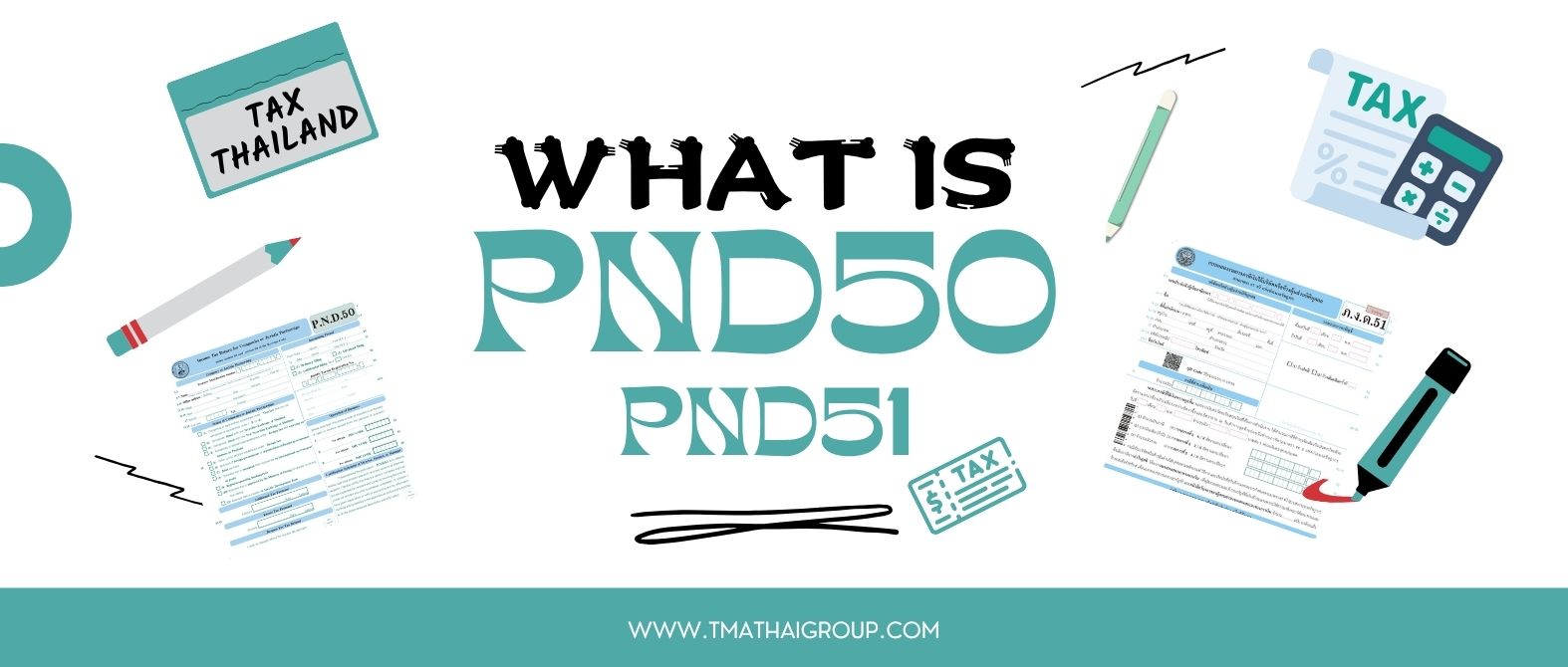
What Are PND.50 and PND.51? A Guide to Thailand's Corporate Income Tax Returns
What Is Thailand FDA (อย.)? Which Products Require Approval?

Thailand Trademark Registration Costs Explained

What Is DLD?

What Is NBTC Certification? Which Products Must Obtain NBTC Approval Before Entering Thailand?

Thailand Machinery Registration