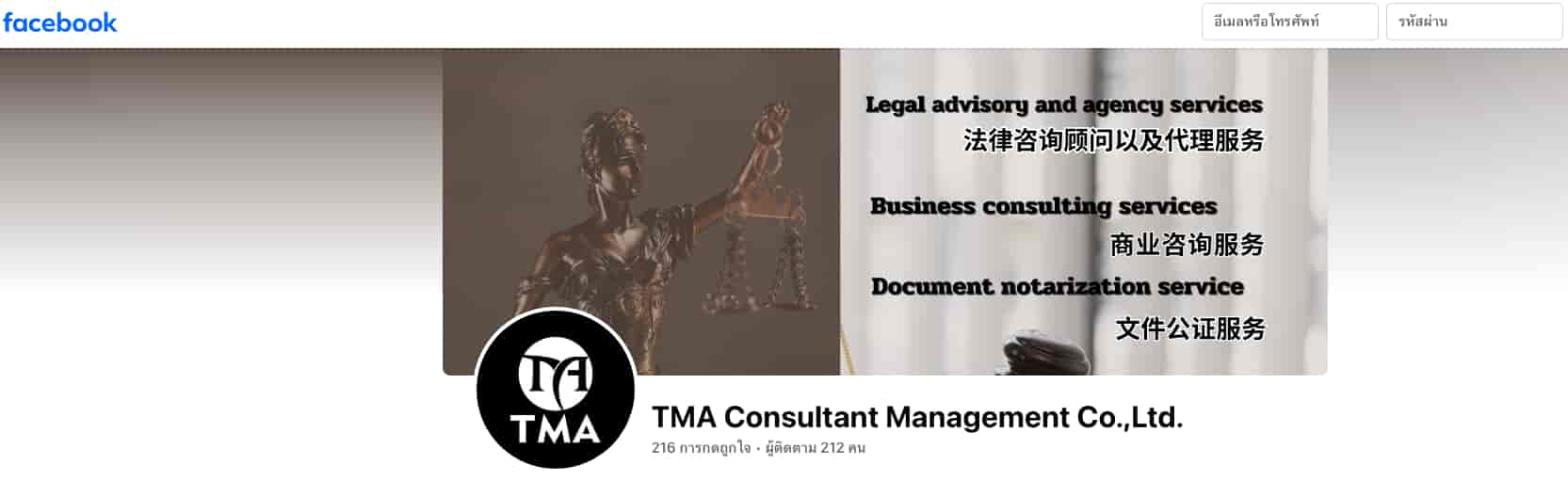
Do Products Need Thai FDA Approval to Enter Thailand?

Emory Views: 58 2026-09-15 11:08:44 Comments: 0

About TMA Group
TMA Group is a professional company focusing on local recruitment and corporate consulting in Thailand, dedicated to providing one-stop services including recruitment, financial management, tax disposal, legal consulting, personnel management, etc. for enterprises and individuals. If you need more advice on investment in Thailand, please feel free to contact us.

Does a Product Already Approved or Registered in China Need to Apply 

for Thai FDA Approval Again?

The answer is: If your product falls within the scope of Thai FDA regulation, approvals or registrations obtained in China or any other country cannot replace the regulatory requirements of the Thai FDA.

Before entering the Thai market, products must be classified in accordance with Thai regulations. Depending on the product category, businesses may be required to complete procedures such as import licensing, product registration, product notification, or product listing.

It is important to note that not all products require an "FDA number." Regulatory requirements vary depending on the product category.

01

Which Products Are Regulated by the Thai FDA?

The Thai Food and Drug Administration (Thai FDA) regulates a wide range of products.

Common product categories requiring attention include:

  • Food and beverages

  • Health foods and dietary supplements

  • Cosmetics

  • Pharmaceuticals

  • Medical devices

  • Certain hazardous substances

Therefore, the first step is not to determine what approvals the product has already obtained in China, but rather to determine:

How the product is classified under Thai law and what regulatory procedures apply to that category.

Even products that appear similar may fall under different regulatory classifications in Thailand depending on their ingredients, intended use, or marketing claims, resulting in different approval requirements.

02

If a Product Is Already Approved in China, Does It Need to Apply Again in Thailand?


The phrase "applying for Thai FDA approval" is often used as a general term, but in reality, different product categories are subject to different regulatory procedures.

Food

Imported food products intended for sale in Thailand require the importer to obtain a Food Import License.

For specifically controlled foods, foods subject to quality or standard requirements, foods with mandatory labeling requirements, and other products requiring a food serial number, an additional product approval must also be obtained.

However, the Thai FDA also specifies that certain categories of general foods are not required to obtain a food serial number.

Although these products may not require what is commonly referred to as an "FDA number," the importer must still obtain the appropriate import license and register the product information through the Virtual Number System (VNS).

Therefore:

Not every food product entering Thailand requires an FDA number.

The applicable regulatory procedure depends on the product's classification under Thai law.

Cosmetics

Cosmetics imported for sale in Thailand must complete the Cosmetic Notification process required by the Thai FDA.

After notification is completed, importers must also comply with procedures such as obtaining a License per Invoice (LPI), customs clearance, and Thai FDA import inspection.

Therefore, a cosmetic product already registered or filed in China must still comply with Thailand's cosmetic regulatory system before it can be legally marketed in Thailand.

Medical Devices

Medical devices are regulated according to their risk classification.

For commercial importation, businesses must first complete the Medical Device Import Establishment Registration, followed by the appropriate product registration based on the product's risk class.

Thailand currently classifies medical devices into Class 1 through Class 4, with each class requiring different documentation and review procedures.

Therefore, medical devices cannot follow the same regulatory process as food or cosmetics, and there is no single

 "Thai FDA application" that applies to all products.

03

FDA Requirements Vary by Product Category

Different product categories are subject to different regulatory requirements under the Thai FDA.

For example:

  • Food may require an import license, product approval, food serial number, or Virtual Number System (VNS) registration, depending on its classification.

  • Cosmetics are generally subject to the Cosmetic Notification procedure.

  • Medical devices are regulated according to their risk classification (Class 1–Class 4), with different registration requirements for each class.

  • Pharmaceuticals, dietary supplements, and certain hazardous substances are each governed by their own regulatory frameworks.

Therefore, businesses should not assume that all products follow the same "Thai FDA application" process.

The applicable requirements depend on the product category, ingredients, intended use, and applicable Thai regulations.

04

Thai FDA Compliance Involves More Than Product Registration

Thai FDA Compliance Involves More Than Product Registration

One important point that overseas brands often overlook is:

Having a compliant product does not automatically mean it can be imported into Thailand.

For example, in the case of food products, the Thai FDA regulatory process consists of two separate stages:

1. Importer / Establishment Licensing

Businesses importing food for commercial sale must first be a legally registered individual or company in Thailand with a physical business location and obtain a Food Import License (Orr.7).

2. Product Approval

For products that legally require a food serial number, the licensed importer must then submit the relevant product documentation to obtain product approval.

Cosmetics, medical devices, and other regulated products follow similar principles, with separate requirements for business licensing, product authorization, and import procedures.

Therefore, before entering the Thai market, overseas brands should determine:

  • Who will serve as the licensed importer in Thailand;

  • How the product is classified under Thai regulations;

  • Whether the product requires registration, approval, notification, or listing;

  • What import procedures must be completed before customs clearance.


Summary


TMA's Recommendation:


Obtaining product approval or registration in China or any other country does not automatically authorize a product to be sold in Thailand.

If a product falls within the scope of Thai FDA regulation, it must be assessed under Thai regulatory requirements, including product classification and any applicable import licensing, product registration, notification, or import procedures.

It is also important to understand that not every product—or even every food product—requires what is commonly referred to as an "FDA number." The applicable regulatory requirements depend on the product category, ingredients, intended use, and import purpose.

TMA GROUP provides comprehensive support for businesses entering the Thai market, including product classification, Thai FDA registration and notification, import licensing, labeling compliance, and other regulatory consulting services.


END


XiaoHongshu Facebook-Management YouTube Facebook-Consultant Facebook-HR
Disclaimer

TMA Consulting Management has been paying attention to the updating of information through newsletters for many years, but we do not assume any responsibility for the completeness, correctness or quality of the information provided. No information contained in this article can replace the personal consultation provided by a qualified lawyer. Therefore, we do not assume any liability for damages caused by the use or non-use of any information in this article (including any kind of incomplete or incorrect information that may exist), unless it is caused intentionally or by gross negligence.
Post a Comment
Search
Follow Us

Follow Us